Home fitness has become one of the most practical and sustainable ways for beginners to start their health and fitness journey. With busy schedules, rising gym costs, and the desire for privacy, exercising at home offers a flexible and accessible solution. However, many beginners struggle with knowing how to start safely, what exercises to choose, and how to stay motivated beyond the first few weeks.
This comprehensive guide by Melanie Dzingala is designed to help beginners understand home fitness from the ground up. It focuses on safety, proper progression, realistic expectations, and long-term motivation so that fitness becomes a sustainable lifestyle rather than a short-term attempt.
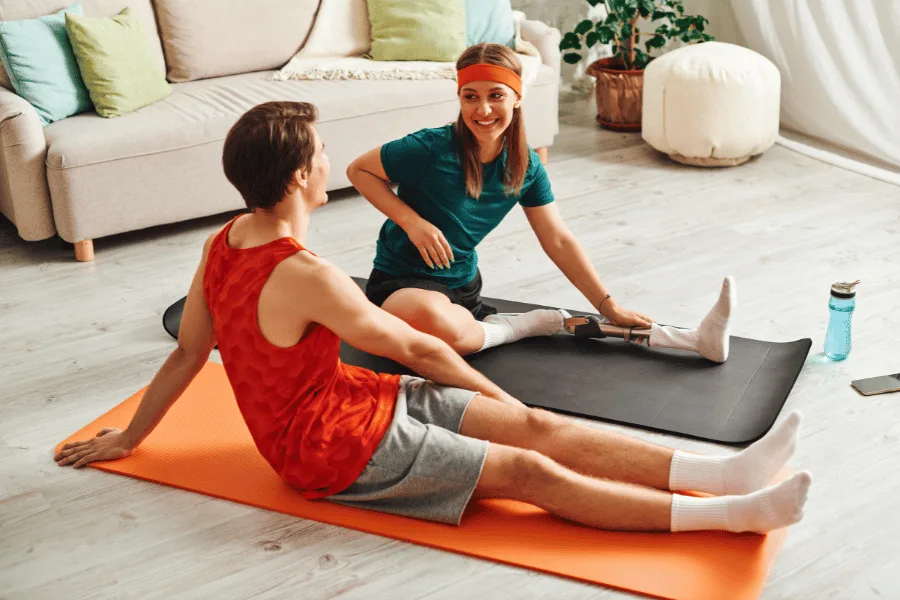
Why Home Fitness Is a Smart Choice for Beginners
For beginners, the environment in which fitness begins can determine long-term success. Home workouts eliminate many of the common obstacles that stop people from exercising consistently.
Some key benefits include:
- No travel time or gym membership required
- Freedom to exercise at your own pace
- Reduced anxiety compared to public gyms
- Ability to customize workouts to your fitness level
- Easier integration into daily routines
Studies consistently show that adherence improves when workouts are convenient and enjoyable. When beginners feel comfortable, they are more likely to stay consistent.
Understanding Your Fitness Starting Point
Before beginning any workout routine, beginners must understand their current physical condition. This is not about judgment, it’s about safety and setting realistic expectations.
Areas to Assess
- Daily activity level (sedentary, lightly active, active)
- Past injuries or joint discomfort
- Flexibility and mobility limitations
- Cardiovascular endurance
- Balance and coordination
If you have medical conditions such as heart disease, diabetes, or chronic joint pain, consulting a healthcare professional before starting a fitness routine is highly recommended.
Safety First: The Foundation of Home Fitness
Safety is the most critical element of home fitness for beginners. Without proper precautions, even simple exercises can lead to injury.
Core Safety Principles
- Start slow and progress gradually
- Prioritize correct form over intensity
- Warm up before every session
- Cool down and stretch afterward
- Listen to your body’s signals
Pain is not the same as muscle fatigue. Sharp or persistent pain is a sign to stop immediately.
Importance of Warm-Up and Cool-Down
Skipping warm-ups and cool-downs is one of the most common beginner mistakes.
Warm-Up Benefits
- Increases blood flow to muscles
- Improves joint mobility
- Reduces injury risk
- Prepares the nervous system
Cool-Down Benefits
- Gradually lowers heart rate
- Reduces muscle stiffness
- Supports recovery
- Improves flexibility
| Phase | Recommended Duration | Examples |
| Warm-Up | 5–10 minutes | Marching, arm circles, light stretching |
| Cool-Down | 5–8 minutes | Deep breathing, static stretches |
Choosing the Right Exercises at Home
Beginners should focus on functional, compound exercises that mimic everyday movements. These exercises are effective and safer for beginners.
Beginner-Friendly Exercises
- Squats (chair-assisted if needed)
- Wall push-ups or knee push-ups
- Glute bridges
- Standing marches
- Modified planks
- Step-backs or lunges with support
Bodyweight exercises are more than enough to build strength, endurance, and confidence during the early stages.
Structuring a Beginner Home Workout Routine
A structured plan prevents confusion and improves consistency.
Sample Weekly Routine
| Day | Focus | Duration |
| Day 1 | Full-body strength | 30 minutes |
| Day 2 | Low-impact cardio | 25 minutes |
| Day 3 | Rest or mobility | — |
| Day 4 | Strength + core | 35 minutes |
| Day 5 | Cardio + flexibility | 30 minutes |
This structure allows muscles to recover while maintaining momentum.
How Often Should Beginners Work Out?
More is not always better. Beginners often make the mistake of doing too much too soon.
Recommended Frequency:
- 3–4 workouts per week
- At least 1–2 rest days
- Gradual progression every few weeks
Consistency over months matters more than intensity over days.
Progression: How to Improve Safely
Progression should be gradual and intentional.
Ways to progress include:
- Increasing repetitions
- Adding an extra set
- Improving form and control
- Reducing rest time
- Introducing light resistance (bands or dumbbells)
Progression should feel challenging but manageable.
Nutrition Basics for Beginner Home Fitness
Fitness success is strongly influenced by nutrition. Beginners don’t need extreme diets, just consistency and balance.
Key Nutrition Principles
- Eat regular meals
- Include protein at each meal
- Choose whole foods when possible
- Stay hydrated
- Avoid extreme calorie restriction
Nutrition fuels workouts, supports recovery, and improves energy levels.
Mental Barriers Beginners Face
Home fitness challenges are often mental rather than physical.
Common mental barriers include:
- Lack of motivation
- Fear of failure
- Unrealistic expectations
- Comparing progress to others
- All-or-nothing thinking
Understanding that progress is non-linear helps beginners stay committed.
Staying Motivated at Home Long-Term
Motivation fades, but habits last. The goal is to build systems, not rely on willpower.
Proven Motivation Strategies
- Schedule workouts like appointments
- Track progress in a journal or app
- Set small, achievable goals
- Celebrate consistency
- Create a dedicated workout space
Motivation grows when results follow consistency.
Creating a Supportive Home Environment
Your environment shapes your behavior.
Simple improvements include:
- Keeping workout clothes visible
- Having a clear workout area
- Using reminders or alarms
- Limiting distractions during workouts
A supportive environment makes consistency easier.
Common Beginner Mistakes to Avoid
Avoiding common mistakes can save months of frustration.
- Skipping warm-ups
- Doing advanced workouts too early
- Ignoring recovery
- Overtraining
- Quitting after missed sessions
Progress is built through persistence, not perfection.
Tracking Progress Without Obsession
Tracking progress helps beginners stay motivated, but it should focus on consistency rather than perfection. Instead of relying only on weight or appearance, beginners should track performance-based improvements such as increased repetitions, better balance, improved flexibility, or reduced fatigue during workouts. Keeping a simple workout log or using a fitness app can highlight progress over time and reinforce positive habits. Photos, measurements, or journaling energy levels can also be helpful when used occasionally. The goal of tracking is awareness and encouragement, not pressure or self-criticism, so progress remains sustainable and mentally healthy.
Signs You Are Making Progress as a Beginner
- Exercises feel more controlled and less exhausting over time.
- Recovery between workouts improves with reduced soreness.
- Balance and coordination increase during daily activities.
- Energy levels remain higher throughout the day.
- Improved posture and reduced stiffness are noticeable.
- You complete workouts with better form and confidence.
- Mental motivation becomes more stable and routine-based.
- Small improvements compound into visible strength and endurance gains.
Adapting Home Fitness to a Busy Lifestyle
One of the biggest advantages of home fitness is its adaptability to busy schedules. Beginners don’t need long workout sessions to see benefits; even 10–20 minutes of focused movement can be effective when done consistently. Short workouts can be split throughout the day or combined with daily activities such as stretching in the morning or light movement in the evening. Planning workouts in advance and treating them as non-negotiable appointments increases follow-through. Home fitness works best when it fits naturally into daily life rather than competing with it.
Essential Home Fitness Tips for Beginners
- Start every workout with a clear plan to avoid confusion and wasted time.
- Wear comfortable clothing and supportive footwear to reduce injury risk.
- Keep water nearby and take small sips during rest periods.
- Focus on breathing properly during each movement to improve endurance.
- Use mirrors or video recordings to check form when possible.
- Keep workouts simple and repeatable rather than constantly changing routines.
- Listen to your body and modify exercises when needed.
- Consistency over weeks matters more than intensity in individual sessions.
Frequently Asked Questions
Is home fitness safe for beginners?
Yes, home fitness is safe when beginners follow proper form, warm up correctly, and progress gradually.
How long should beginner home workouts be?
Beginner workouts should last between 20 and 45 minutes, including warm-up and cool-down.
Do beginners need equipment to work out at home?
No, beginners can start effectively using bodyweight exercises before adding equipment.
How soon will beginners see results?
Most beginners notice improved energy and strength within 2–4 weeks of consistency.
Is rest important in home fitness?
Yes, rest days allow muscles to recover and reduce the risk of injury.

Conclusion
Starting a home fitness journey as a beginner does not require perfection, expensive equipment, or intense workout routines. What truly matters is building safe habits, staying consistent, and giving your body the time it needs to adapt and grow stronger. Home fitness provides a flexible and supportive environment where beginners can exercise comfortably, reduce barriers to consistency, and focus on long-term health rather than quick results.
By prioritizing proper form, gradual progression, adequate recovery, and balanced nutrition, beginners can significantly reduce the risk of injury while improving strength, endurance, and overall well-being. Motivation may naturally fluctuate, but sustainable results come from routine, discipline, and small daily actions rather than short bursts of effort.