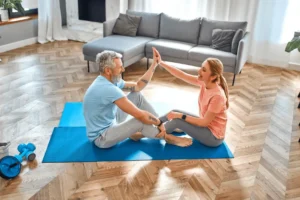
Home personal training has transformed the way people approach fitness. With busy lifestyles, long commutes, and rising gym costs, more individuals are turning to home-based workouts as a practical and effective solution. Whether your goal is to lose weight, build muscle, improve endurance, or simply stay active, training at home provides flexibility and control over your fitness journey.
For beginners, starting can feel overwhelming. Questions like “Where do I begin?”, “What exercises should I do?”, and “Do I need equipment?” are common. This guide is designed to remove confusion and provide a clear, structured, and expert-backed approach to help you get started confidently.
Why Choose Home Personal Training?
Home workouts are not just about convenience, they can be equally effective as gym training when done correctly. The key lies in consistency, proper technique, and a well-structured routine.
Key Benefits
- Flexibility: Work out anytime without being restricted by gym hours
- Cost-effective: No monthly memberships or travel expenses
- Comfort: Exercise in a familiar and private environment
- Customization: Tailor workouts based on your personal goals
- Time-saving: Eliminate commute time and waiting for equipment
Important Insight
Studies in exercise science consistently show that results depend more on training consistency and intensity rather than location. This means a well-planned home routine can deliver excellent results over time.
The Importance of Recovery and Rest in Home Personal Training
One of the most overlooked aspects of home personal training, especially for beginners, is the importance of recovery and rest. Many people believe that working out every day will lead to faster results, but in reality, muscles grow and repair during rest periods, not during the workout itself. Without proper recovery, the body becomes fatigued, increasing the risk of injuries, burnout, and reduced performance over time. Incorporating rest days into your weekly routine allows your muscles to rebuild stronger and helps maintain long-term consistency. Additionally, practices such as stretching, light mobility exercises, quality sleep, and proper nutrition play a crucial role in recovery. Beginners should aim for at least one to two rest days per week and listen to their body’s signals, such as soreness or fatigue. Prioritizing recovery not only enhances performance but also ensures sustainable progress in your home fitness journey.
Step 1: Set Clear and Realistic Fitness Goals
Before beginning any fitness journey, it is essential to define what you want to achieve. Without clear goals, it becomes difficult to measure progress and stay motivated.
Common Fitness Goals
- Weight loss
- Muscle building
- Improving strength
- Increasing flexibility
- Enhancing overall health
How to Set Effective Goals
Use the SMART approach:
| Criteria | Example |
| Specific | Lose weight |
| Measurable | Lose 5 kg |
| Achievable | Within 3 months |
| Relevant | Improve health |
| Time-bound | 12 weeks |
A clear goal gives direction and helps you stay focused throughout your journey.
Step 2: Assess Your Current Fitness Level
Understanding your starting point is crucial to avoid injuries and track improvements effectively.
Simple Self-Assessment Tests
- Push-ups: Count how many you can do without stopping
- Plank: Measure how long you can hold the position
- Squats: Perform as many as possible in one minute
- Flexibility: Try touching your toes without bending knees
Why This Matters
- Helps in creating a suitable workout plan
- Prevents overtraining
- Provides a baseline for measuring progress
Step 3: Create a Dedicated Workout Space
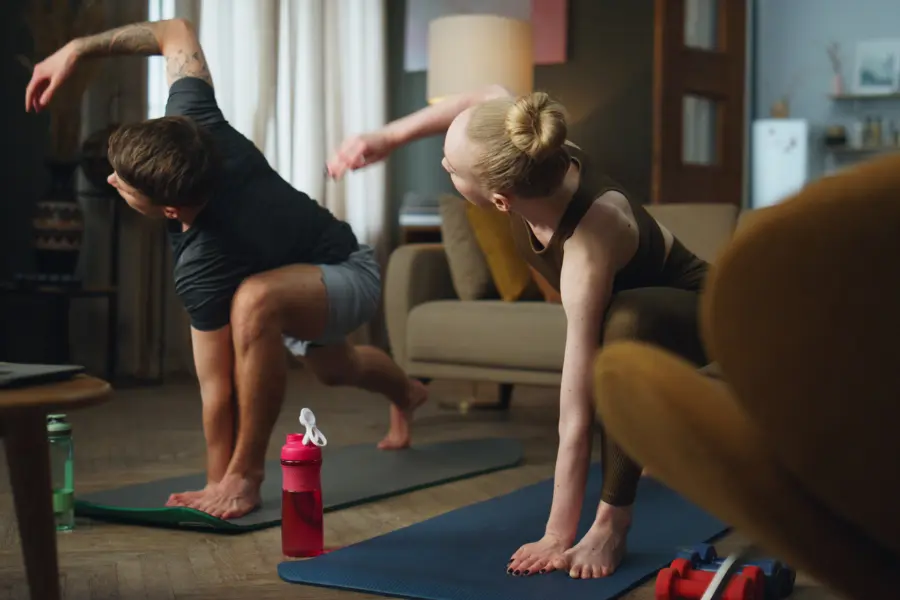
You don’t need a large room or expensive setup to start. Even a small, clutter-free space can work effectively.
Essentials for Your Workout Area
- Non-slip exercise mat
- Good ventilation and lighting
- Minimal distractions
- Enough room for movement
Pro Tip
Keep your workout space consistent. This helps build a routine and mentally prepares you for exercise.
Step 4: Choose the Right Equipment (Optional)
One of the biggest myths is that you need expensive equipment to get fit. In reality, many effective workouts rely on bodyweight exercises.
Beginner Equipment Guide
| Equipment | Purpose | Recommended For |
| Dumbbells | Strength training | Muscle building |
| Resistance bands | Strength & flexibility | Beginners |
| Yoga mat | Comfort & safety | All users |
| Skipping rope | Cardio | Fat loss |
No Equipment? No Problem
You can perform exercises like:
- Squats
- Push-ups
- Lunges
- Planks
- Jumping jacks
These are highly effective for beginners.
Step 5: Follow a Structured Workout Plan
Having a structured routine ensures balanced development and prevents burnout.
Weekly Beginner Workout Plan
| Day | Workout Type |
| Monday | Full Body Strength |
| Tuesday | Cardio |
| Wednesday | Rest or Stretching |
| Thursday | Upper Body |
| Friday | Lower Body |
| Saturday | Core & Cardio |
| Sunday | Rest |
Sample Beginner Exercises
Full Body Day:
- Squats – 3 sets of 10 reps
- Push-ups – 3 sets of 8 reps
- Plank – 3 sets of 20 seconds
Cardio Day:
- Jumping jacks – 3 sets
- Skipping – 5 minutes
- High knees – 3 sets
Step 6: Focus on Proper Form and Technique
Incorrect form is one of the most common causes of injuries, especially for beginners.
Key Principles
- Move slowly and with control
- Maintain proper posture
- Breathe correctly (inhale and exhale properly)
- Avoid rushing through exercises
Example
In a squat:
- Keep your back straight
- Push hips backward
- Keep knees aligned with toes
Learning proper form early ensures long-term success and safety.
Step 7: Understand the Role of Nutrition and Hydration
Exercise alone is not enough. Nutrition plays a vital role in achieving your fitness goals.
Basic Nutrition Guidelines
- Protein: Helps repair and build muscles (eggs, lentils, chicken)
- Carbohydrates: Provide energy (rice, oats, fruits)
- Fats: Support overall health (nuts, seeds, oils)
Hydration
- Drink 2–3 liters of water daily
- Stay hydrated before, during, and after workouts
Important Note
A balanced diet enhances performance and speeds up recovery.
Step 8: Track Your Progress
Tracking progress keeps you motivated and helps you stay consistent.
Ways to Track Progress
- Take weekly photos
- Record weight and measurements
- Use fitness apps
- Maintain a workout journal
What to Look For
- Increased strength
- Better endurance
- Improved flexibility
- Changes in body composition
Step 9: Stay Consistent and Build Discipline
Consistency is the most important factor in fitness success. Even the best workout plan will fail without regular practice.
Tips to Stay Consistent
- Set a fixed workout time
- Start with small, achievable goals
- Avoid perfectionism
- Reward yourself for progress
Motivation Tip
Focus on progress, not perfection. Small improvements lead to big results over time.
Step 10: Consider Professional Guidance
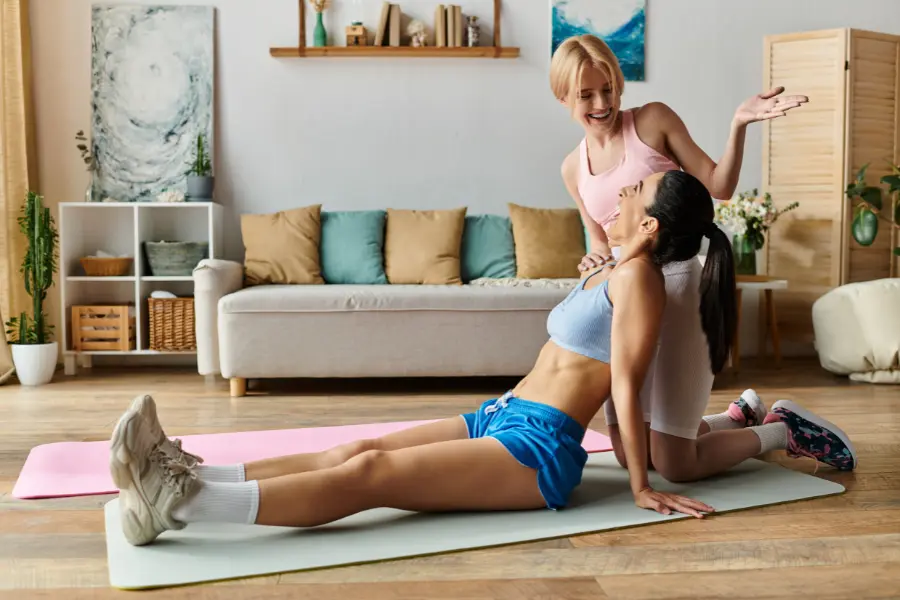
While home training is effective, guidance from a professional can accelerate results.
Benefits of a Personal Trainer
- Customized workout plans
- Proper form correction
- Accountability and motivation
- Faster progress
Even occasional guidance can make a significant difference.
Common Mistakes to Avoid
Avoiding these mistakes can save time and prevent setbacks:
- Skipping warm-ups and cool-downs
- Overtraining without rest
- Ignoring proper technique
- Poor nutrition habits
- Unrealistic expectations
FAQs
Can beginners do personal training at home?
Yes, beginners can safely start home personal training using simple exercises and gradually increase intensity with proper guidance.
Do I need equipment for home workouts?
No, you can begin with bodyweight exercises like squats, push-ups, and planks. Equipment can be added later for progression.
How often should I work out at home?
Beginners should start with 3 to 4 workout sessions per week and gradually increase frequency based on fitness level and recovery.
How long should a home workout be?
A typical home workout should last between 30 to 45 minutes, including warm-up, exercise, and cool-down.
Can I lose weight with home workouts?
Yes, home workouts combined with a balanced diet and calorie control can effectively help with weight loss.
Conclusion
Home personal training is an excellent way to take control of your health and fitness. It offers flexibility, affordability, and the freedom to train at your own pace. For beginners, the key is to start simple, stay consistent, and gradually progress.
By setting clear goals, following a structured plan, focusing on proper form, and maintaining a balanced diet, you can achieve significant results without ever stepping into a gym. Remember, fitness is a journey, not a quick fix. With patience and discipline, home training can lead to long-term success and a healthier lifestyle.