
Embarking on a fitness journey can be daunting, and many wonder if hiring a personal trainer is a worthwhile investment. This article delves into the true value a personal trainer brings, exploring the costs and the tangible benefits you can expect from those $85–$150 sessions.

Understanding Personal Training
What is a Personal Trainer?
A personal trainer is a qualified fitness professional who designs and delivers safe and effective exercise programs for individuals or small groups. They possess the knowledge and skills to help clients achieve their specific fitness goals, whether it’s weight loss, muscle gain, improved athletic performance, or general health and fitness. When you work with a personal trainer, you are essentially engaging an expert to guide your physical development.
The Role of Personal Trainers in Fitness
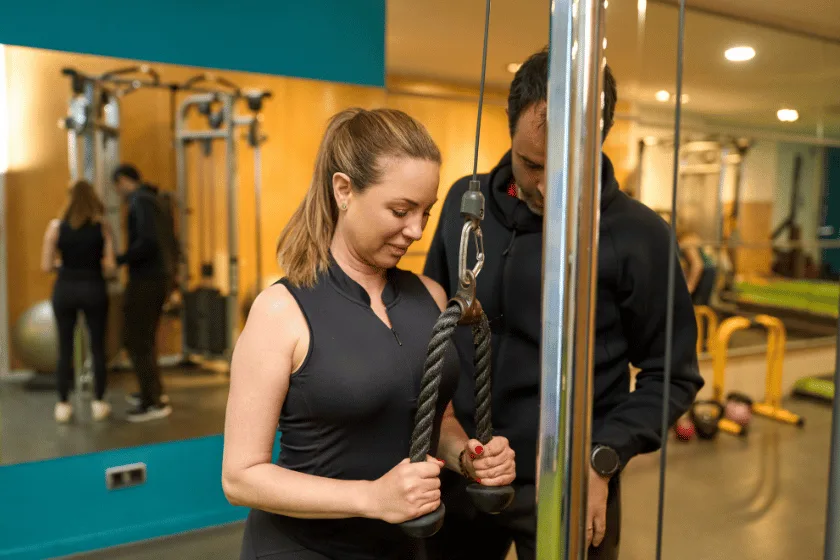
The role of personal trainers in fitness extends far beyond simply showing you how to use gym equipment. A certified personal trainer provides accountability, motivation, and expert guidance, customizing workout plans that are tailored to your unique needs and limitations. They are instrumental in teaching proper form, preventing injuries, and ensuring that you stay consistent with your training sessions, ultimately accelerating your progress towards your fitness goals.
Types of Personal Training Programs
There are various types of personal training programs available to suit different preferences and budgets.
| Program Type | Key Features |
| One-on-one personal training | Highly individualized attention |
| Small group personal training | More cost-effective, supportive community |
Additionally, some trainers specialize in specific areas like strength training, strength and conditioning, or rehabilitation, allowing you to find a personal trainer whose expertise aligns perfectly with your objectives.
Benefits of Hiring a Personal Trainer
Customized Workout Plans
One of the primary benefits of hiring a personal trainer is the creation of a customized workout plan specifically tailored to your individual fitness goals, current fitness level, and any physical limitations you might have. A certified personal trainer will assess your needs and design a program that ensures you are working effectively and safely towards achieving optimal results, making every session count.
Accountability and Motivation
Working with a personal trainer significantly boosts accountability and motivation, crucial elements for long-term success in your fitness journey. Knowing you have scheduled training sessions with a good trainer encourages you to stay consistent and dedicated. Personal trainers help keep you engaged and push you beyond what you might achieve on your own at the gym.
Expert Guidance on Strength Training
When you work with a personal trainer, you gain invaluable expert guidance, particularly in strength training. A personal trainer with proper certification will teach you the correct techniques and proper form for each exercise, minimizing the risk of injury and maximizing the effectiveness of your workout. This ensures your efforts are focused on building strength efficiently and safely.
What to Expect in Training Sessions
Typical Structure of a Session
A typical personal training session usually begins with a dynamic warm-up to prepare your body for exercise, followed by the main workout focusing on specific muscle groups or movements designed to meet your fitness goals. The session concludes with a cool-down and stretching to aid recovery and flexibility, ensuring a comprehensive and effective training experience.
Techniques Used by Personal Trainers
Personal trainers employ a variety of techniques to maximize the benefits of personal training. These can include periodization, progressive overload, and incorporating diverse exercises to prevent plateaus. They often use motivational interviewing to keep clients engaged and committed, while also providing real-time feedback on proper form and technique during the training sessions.
Focus on Lifting Weights and Form
A significant focus during personal training sessions, especially in strength training or strength and conditioning, is on lifting weights with impeccable proper form. Your personal trainer will diligently monitor your movements, offering immediate corrections to ensure each repetition is performed safely and effectively. This meticulous attention to form is paramount for preventing injuries and achieving optimal muscle activation and growth.
Evaluating the Cost of Personal Training
Understanding Session Pricing
Understanding the pricing of personal training sessions is crucial when considering hiring a personal trainer. The personal training costs can vary widely depending on several factors:
| Trainer’s Attributes | Program Type |
| Expertise, Certification, Location | One-on-one vs. Small Group |
Many trainers offer packages that can reduce the per-session cost, making it more manageable for those committed to consistent training sessions.
Cost vs. Value: Is It Worth It?
When evaluating personal training, it is essential to weigh the cost against the inherent value. While the initial personal training costs might seem high, the benefits often make it worth the investment. A good trainer’s expertise in helping you achieve your fitness goals and maintain overall health and fitness can provide long-term returns.
| Aspect | Benefit of Personal Training |
| Workout Planning | Customized workout plans |
| Technique & Safety | Expert guidance on proper form |
| Motivation | Enhanced accountability |
Finding Affordable Options for Personal Training
For those mindful of personal training costs, there are several affordable options to consider. Small group personal training offers many benefits of individual sessions at a lower price point. Additionally, some gyms offer personal training as part of membership packages, or you can find a personal trainer who provides virtual coaching, which can be more budget-friendly while still delivering expert guidance for your workout.
Making the Most of Your Experience
How to Work Effectively with a Personal Trainer
To maximize the benefits of personal training, it is vital to work effectively with your personal trainer. This involves open communication about your fitness goals, being honest about your physical limitations, and actively participating in each workout. A certified personal trainer can customize your program more effectively when you provide consistent feedback and stay consistent with your training sessions, ensuring you get the most out of your time at the gym.
Setting Realistic Goals with Your Trainer
Setting realistic fitness goals with your personal trainer is paramount for a successful journey. Your personal trainer helps you identify achievable milestones that align with your capabilities and lifestyle, ensuring motivation remains high. Whether it’s strength training, weight loss, or improved strength and conditioning, realistic goals prevent discouragement and enable steady progress, making your personal training experience more rewarding and sustainable over time.
Tracking Progress and Adjusting Your Plan
Regularly tracking your progress and adjusting your workout plan is a key component of effective personal training. Your personal trainer will meticulously monitor your achievements, whether in strength gains, improved endurance, or changes in body composition. Based on this data, your trainer’s expertise allows them to customize and modify your program, ensuring continuous challenge and progression toward your fitness goals. This dynamic approach ensures your training sessions remain effective.
Frequently Asked Questions (FAQs) – benefits of personal training and hiring a personal trainer
Is a personal trainer worth it?
A personal trainer can be worth the investment depending on your goals, budget, and self-discipline. Trainers provide expert guidance on exercise selection, form, progression, and programming that accelerates progress and reduces injury risk. They offer accountability and motivation, which helps many people stick to a program. If you need personalized programming, help overcoming plateaus, or support with rehabilitation, the cost often pays off in faster, safer results. If you already have solid knowledge, strong self-motivation, and consistent results alone, a trainer may be less essential.
How much does hiring a personal trainer cost?
Cost varies widely by location, trainer experience, session length, and format (in-person vs. online). Typical per-session rates range from budget-friendly group or semi-private sessions to premium one-on-one coaching. In many areas, expect $30–$100+ per session for in-person trainers; online coaching or packages can be cheaper or more expensive depending on support level. Monthly packages and longer commitments often lower the per-session price. Consider value rather than just sticker price: a more expensive trainer with proven results and tailored programming can be more cost-effective than cheaper, generic options.
How long will it take to see results when you work with a personal trainer?
Visible and performance improvements depend on starting point, program quality, consistency, nutrition, sleep, and recovery. Beginners often notice strength and endurance gains within 4–8 weeks and visible changes in body composition within 8–12 weeks with consistent training and proper nutrition. Intermediate and advanced trainees typically progress more slowly and need progressive overload and program variation for continued gains. A trainer can accelerate the timeline by customizing workouts, correcting form, and optimizing variables like frequency, intensity, and recovery.
Can personal trainers help me lose weight and customize workouts for my needs?
Yes. Personal trainers can design workout plans tailored to your goals, preferences, limitations, and schedule. For weight loss, effective programs combine resistance training (to preserve or build muscle) with cardio and a nutrition plan or referrals to nutrition professionals. Trainers can modify exercises for injuries, mobility issues, or equipment limits and adjust programming as you progress. Many trainers also provide habit coaching, accountability, and strategies to improve adherence—key factors for sustainable weight loss.
Do I need a personal trainer to learn strength training, lifting weights, or how to squat correctly?
You don’t strictly need a trainer, but professional instruction greatly reduces risk and speeds learning. Strength training involves technique, programming, and progression; poor form in lifts like squats or deadlifts can cause injury and limit gains. A trainer can teach proper mechanics, spot common faults, provide hands-on cues, and create a strength training program that balances volume, intensity, and recovery. If cost is a concern, consider a few sessions focused on form and programming or small-group clinics that teach lifts safely and efficiently.